

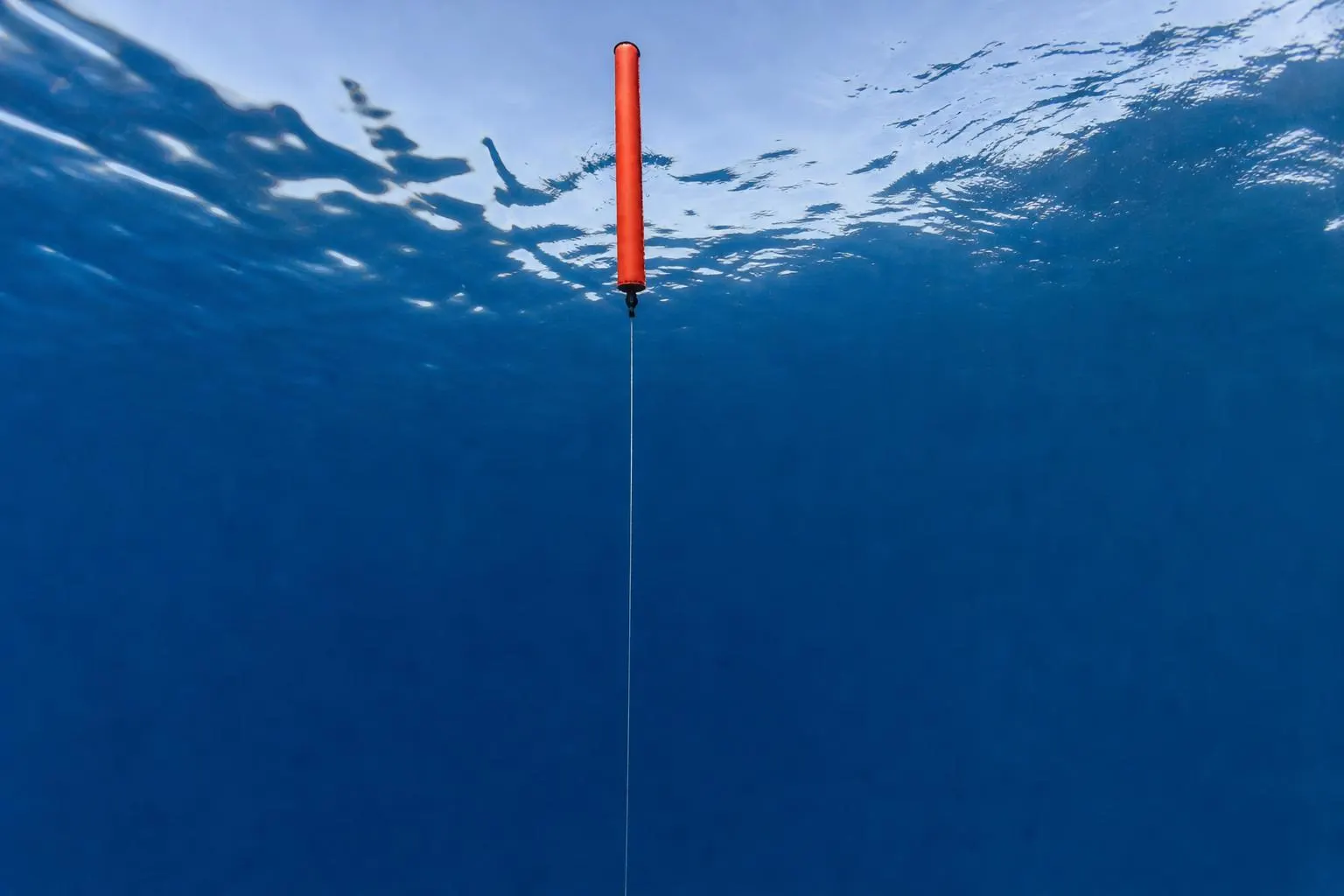
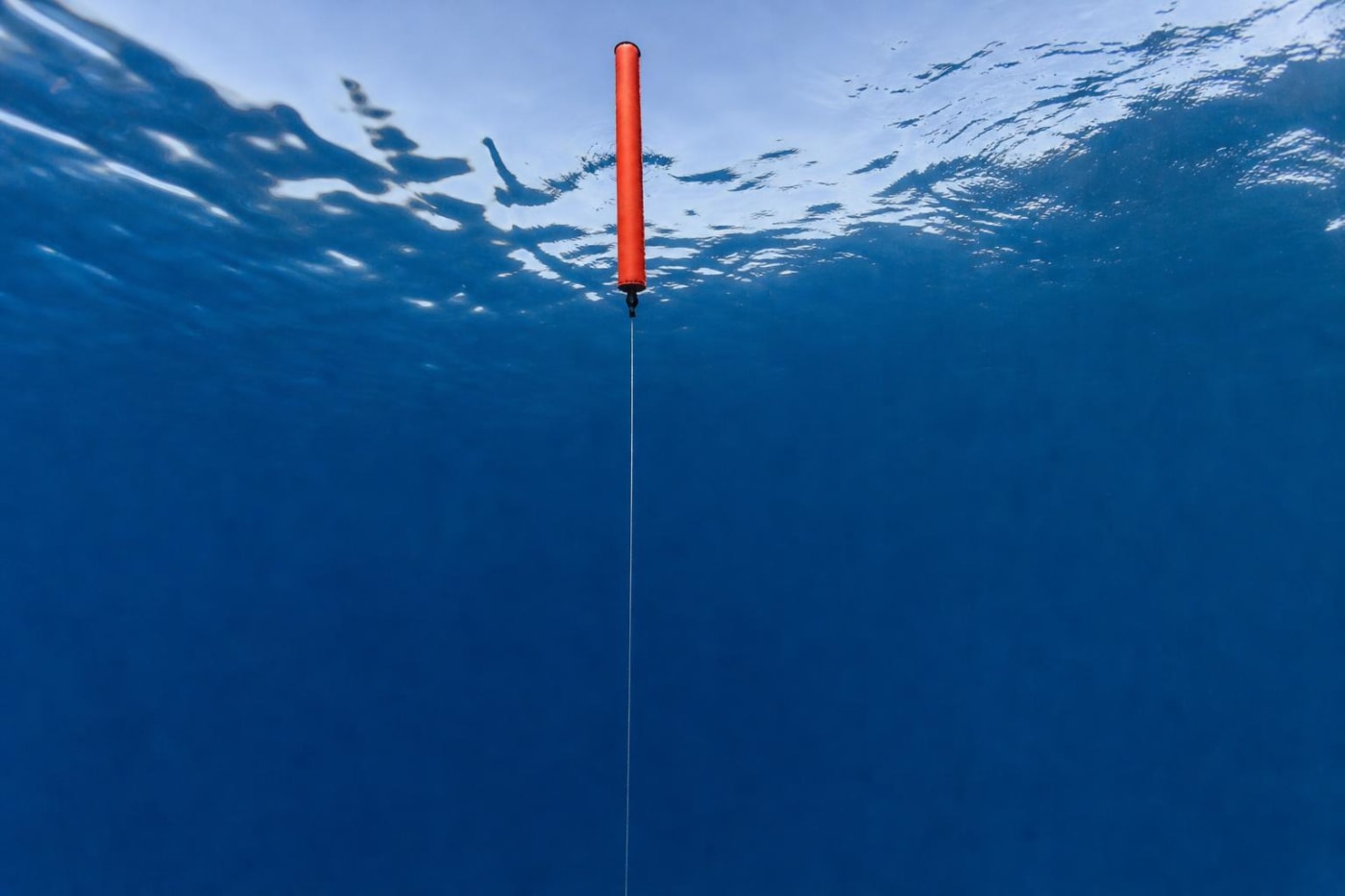
A DSMB dive briefing should explain when a marker may be deployed, who is responsible, what its colours or markings mean, and what divers should expect once it is visible at the surface. A DSMB can mark your location for surface support or boat traffic, but it does not guarantee that anyone has seen it.
Do not assume that a procedure from another dive applies here. Ask the dive professional to explain the plan for this dive, including what to do if you surface away from the group. If you are planning guided local dives around Malapascua, bring your questions to the briefing rather than relying on a general deployment tutorial.
What a DSMB tells the surface team
A delayed surface marker buoy is commonly used to mark a diver’s location below the surface and alert surface support or boat traffic. It provides a visible reference, but it cannot confirm that people at the surface have seen it, understood its meaning or know exactly where the diver is. For that reason, the briefing should cover more than deploying the marker. It should also explain what divers should do after it goes up and what response to expect.
The terms DSMB and surface marker buoy are sometimes used loosely. A DSMB is typically deployed from underwater, often near the end of a dive, including during a safety stop. A surface marker buoy may also be used at the surface or towed. The buoy’s design affects how it can be deployed, so clarify which kind of use is part of the plan.
A marker does not replace controlled buoyancy or monitoring your ascent. Follow your training and the procedure explained for the dive. If you are unsure whether the plan involves a delayed deployment or a buoy already at the surface, settle that point before entering the water. You can also explore Malapascua’s dive sites while planning, but base your marker plan on the briefing for the particular dive.
DSMB dive briefing: five points to clarify
Clarify deployment timing. A DSMB is often used near the end of a dive, but that does not mean you should launch one automatically or choose the timing on your own. Establish what timing applies to this dive and whether the dive professional has a specific instruction for your group. Confirm whether the plan involves a DSMB launched underwater or a buoy used at the surface.
Agree who deploys the marker and what the rest of the group does. Find out whether one diver is expected to deploy a marker or whether another arrangement applies. If a buddy or another diver has a role, understand what that role is and how you will stay together during deployment. Make sure everyone knows who is responsible instead of relying on assumptions that could create confusion underwater.
Confirm the meaning of colours and markings. Establish which signals are being used for this dive and whether the people providing surface support know what they mean. Do not assume that a colour or marking has the same meaning in every group or operation. Mention any markings on your own buoy so their meaning can be agreed before the dive.
Understand what happens after the marker is visible at the surface. Clarify what surface support is expected to do and what divers should do while waiting. If there are signals or instructions to follow, make sure you understand them before the dive. A visible marker does not, by itself, tell you what response has been agreed.
Establish the procedure for surfacing away from the group. Find out what the dive plan says to do in that situation and how to respond to directions from the surface. Do not invent a signal or assume the procedure is the same as one you have followed elsewhere. Use the briefing to make pickup expectations clear, including the actions expected of divers who are apart from the group.
These scuba dive briefing points matter whether you have brought your own marker or practised a procedure before. Explain what equipment you carry and what you have practised, then make sure the planned procedure is clear to you. If a role, signal or response has not been explained, get clarification before the dive starts. A familiar setup does not mean that the same arrangements apply to every dive.
Why surface marker buoy signals and colours should be agreed, not assumed
Buoy colours and markings do not have one meaning that can safely be assumed everywhere. Conventions can vary between groups and operations, so agree on their meaning with surface support before the dive. A colour you have seen used one way in another setting may communicate something different to the people supporting this dive.
Do not treat a particular colour as a universal distress code. Confirm what the marker and any signals mean, and make sure the people who may see them understand the agreed meaning. Mention markings on your buoy as well. A signal can only communicate the intended information when the people receiving it know what it means.
Use the signals agreed in the briefing rather than changing or improvising one underwater. If colours or markings are not covered, ask the dive professional to explain the procedure before the dive. Carrying a marker with a familiar colour is not a substitute for agreeing what that colour means for this dive.
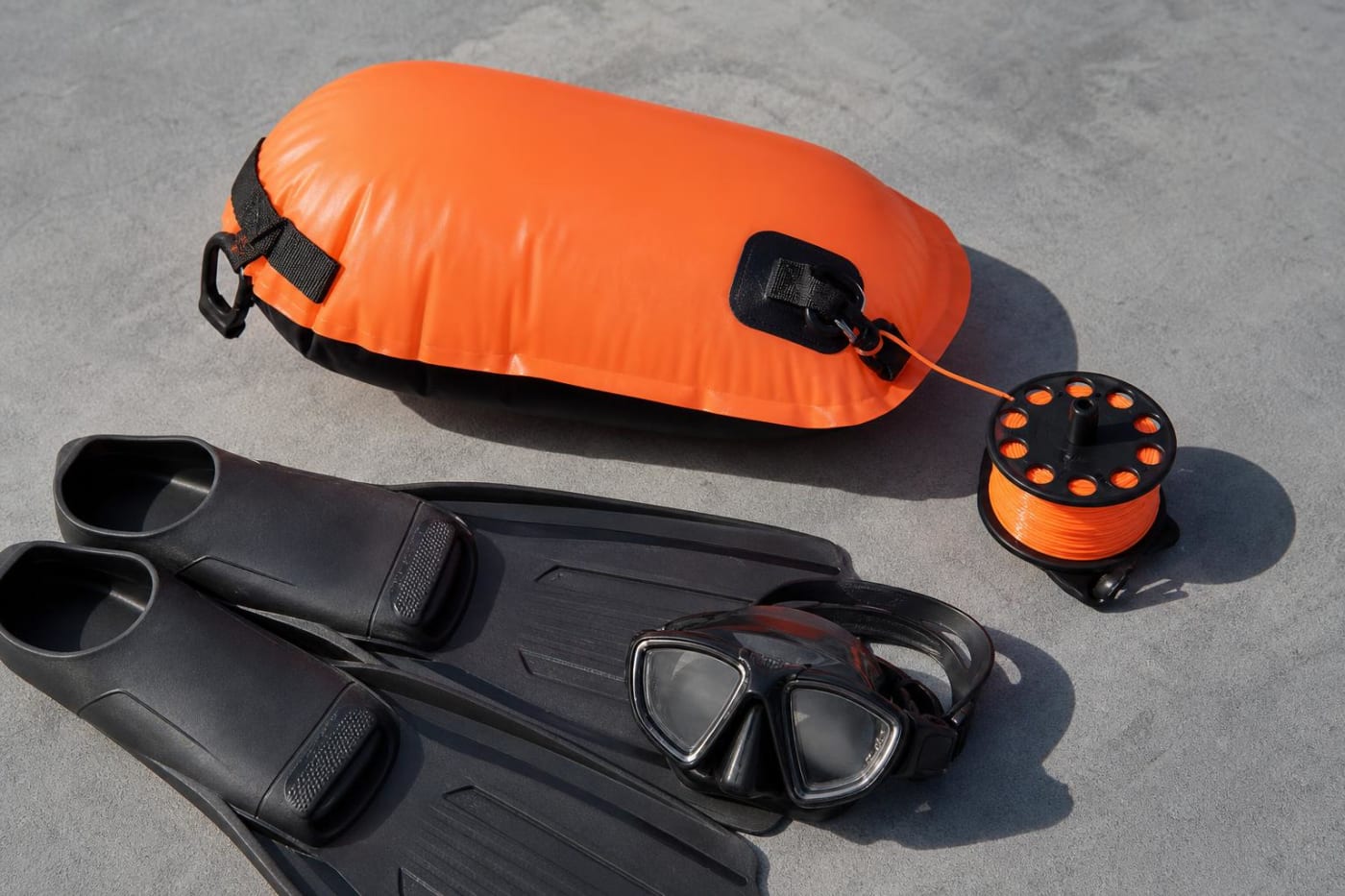
Equipment and line-handling checks to discuss
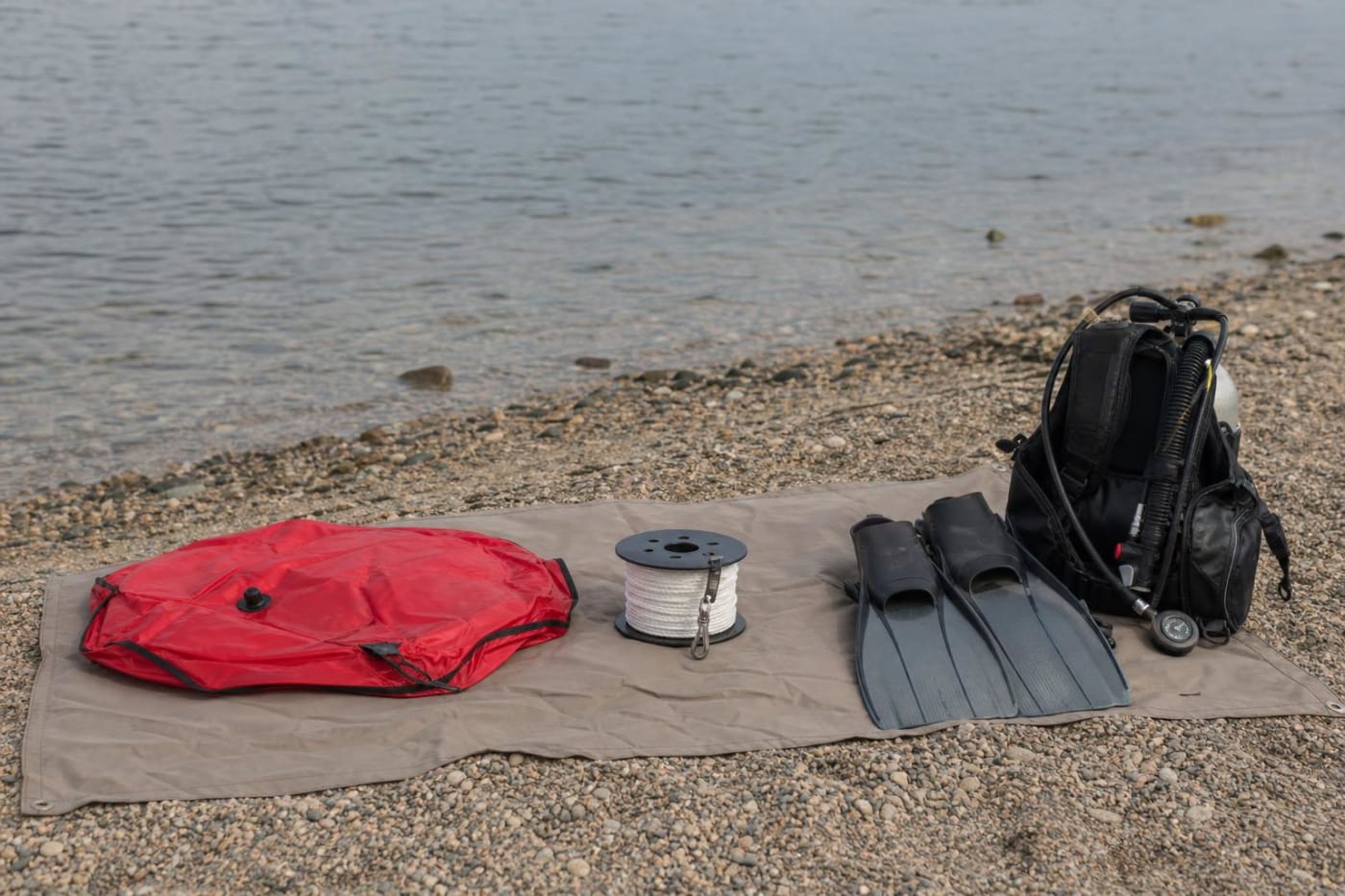
Before the dive, check that your marker, reel or spool, and line are in usable condition and accessible. Know how your equipment works and where it is stowed. If you are unsure whether the buoy’s design suits the planned procedure, raise that before entering the water. Deployment capability depends on the buoy design, so the equipment and intended use need to match.
Discuss how to keep the line managed and clear of your body and other divers. Loose line can create an entanglement hazard, and a snag can complicate deployment. Before sending the buoy up, check for overhead traffic or other divers and choose a clear area without snagging hazards. Clarify what to do if the intended area is not clear.
Do not clip a reel or spool to yourself during deployment. A jam can contribute to a rapid ascent, and you should not be physically attached to the DSMB. Keep your buoyancy and ascent under control while managing the line. Deploying a DSMB does not replace ascent monitoring or controlled buoyancy.
Discuss what cutting tool and buddy support are available. Have an accessible cutting device and know where it is before you need it. Establish what support your buddy is expected to provide during deployment, and stay near enough for that support to be useful. These are details to settle in the briefing, not while managing a line underwater.
Line handling is part of the deployment plan, not a separate detail to leave until you are in the water. The line needs to remain managed and away from the diver, while the deployment area needs to be clear of overhead traffic, other divers and snagging hazards. Include those checks in your discussion of the equipment and the group’s procedure.
If you are not confident deploying it
Say so during the briefing. Explain what you have practised and what feels unfamiliar, whether that is handling the line, managing the spool or understanding the group’s signals. The dive professional can clarify the procedure that applies to the dive and discuss what you should do. Do not wait until you are underwater to mention that you are unsure.
A written explanation cannot replace instruction and supervised practice. Practise DSMB deployment with a buddy in confined water and seek help from an instructor if you need to build the skill. Dry-run practice and supervised skill development can also help you become familiar with the equipment. Keep the briefing and your training in view together: the briefing covers the agreed procedure for the dive, while practice helps you handle the equipment without losing control of buoyancy or ascent monitoring.
If a detail about the procedure for your dive is unclear, contact us. Leave the boat briefing knowing when a marker is used, who does what, how its signals are understood and what to do if you surface apart from the group.